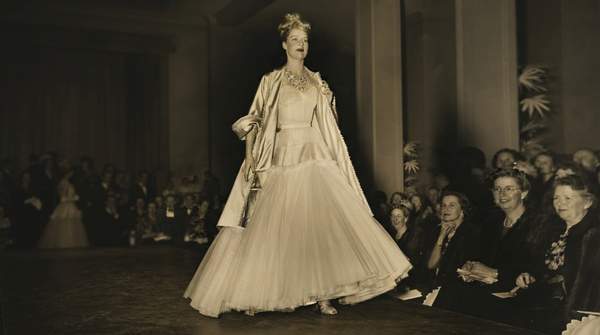
Despite millions spent on elaborate physical shows, a single TikTok video from an influencer at fashion week often generates more brand engagement than an entire runway presentation. This exposes a critical imbalance: meticulously crafted spectacles are overshadowed by spontaneous digital content. Brands continue to invest heavily in exclusive physical events, yet real impact and audience engagement increasingly occur on open digital platforms. The fashion industry, in 2026, faces a stark choice: fundamentally transform traditional fashion weeks or risk them becoming expensive, irrelevant relics.
The Fading Spectacle: Why Traditional Shows Are Losing Ground
Digital viewership of fashion weeks far surpasses physical attendance, according to an Industry Report. The global audience engages primarily through screens, not front-row seats. Social media influencers generate more brand engagement during fashion week than traditional media coverage, a fact confirmed by a Marketing Analytics Firm. This reveals a fundamental disconnect between investment in physical events and their digital return. Fashion week's value has shifted from direct buyer engagement to influencer-driven virality, reducing the physical event to a mere backdrop. Industry executives claim fashion weeks are essential for brand image and buyer relations. Yet, engagement metrics show most audience interaction and purchasing intent originates from digital content, challenging their assertion. Direct sales conversion from digital content often proves difficult to track or lower than expected, according to E-commerce Platform Data. Broad digital reach does not guarantee immediate commercial utility. The environmental impact of global travel for fashion weeks also faces increasing scrutiny, as highlighted by an Environmental NGO Report. This adds another layer of unsustainability to an already struggling model.
The Enduring Allure: What Keeps Fashion Week Alive
Brands still allocate significant budgets to physical shows despite digital alternatives, as indicated by Brand Financial Statements. A commitment to perceived prestige is reflected. Physical shows maintain an aura of exclusivity crucial for luxury branding, a point emphasized by a Luxury Brand Executive Interview. This perceived prestige masks their diminishing direct commercial utility, as brands invest heavily despite evidence of superior digital ROI.
Many designers still prefer the tactile experience and direct feedback of a live runway show, according to a Designer Survey. Digital platforms cannot fully replicate this artistic and experiential value. Traditional buyers and retailers still rely on physical shows for networking and pre-orders, as detailed in a Retail Buyer Interview. Fashion week's value extends beyond immediate consumer engagement, serving critical industry functions. Luxury brands are trapped in a 'prestige paradox,' compelled to participate in expensive physical shows to maintain status, even as their actual audience engagement and sales increasingly originate from cheaper digital channels.