
Amara Singh
Editorial byline
Amara Singh is an editorial byline for La Moda News, with a focus on Sustainability, Fashion Industry Ethics, Material Innovation. Biographical credentials and external profiles are published only after verification.
Learn more about our editorial process and use of automation in our AI & Automation disclosure.
Coverage Areas
Latest Articles
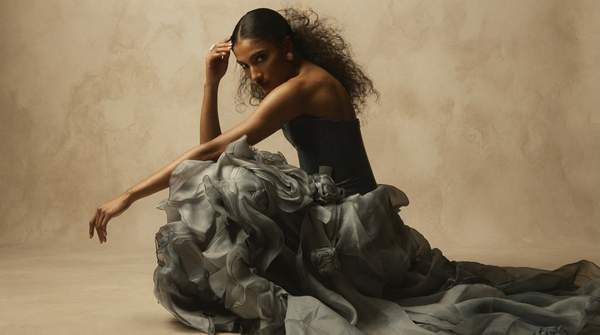
Regenerative Fashion Goes Beyond “Less Bad”: How It Differs From Sustainability and Circularity
Regenerative fashion moves beyond sustainability's harm reduction and circularity's material reuse to actively improve ecological and social systems. It aims for net-positive outcomes by restoring biodiversity, rebuilding soil health, and empowering communities.
Nov 17, 2026 · 4 min read
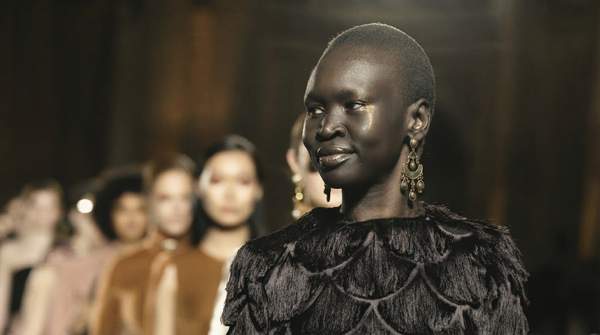
How Casting Directors Balance a Designer's Vision With Real Diversity Commitments
Runway casting requires integrating a designer's aesthetic vision with explicit diversity and inclusion objectives, moving beyond superficial trends. A deliberate process treats both as essential inputs, ensuring authentic representation supported by sustained investment.
Nov 16, 2026 · 4 min read
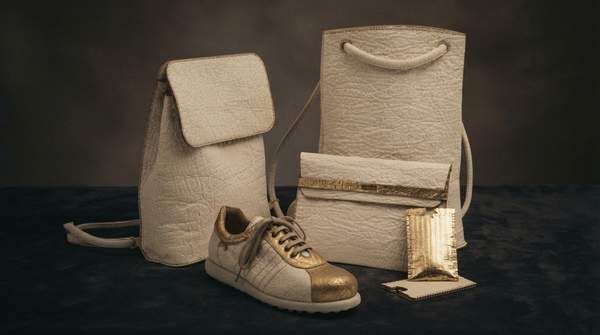
Four Plant-Based Fibers Luxury Fashion Is Actually Using: A Designer's Starting Guide
Luxury fashion is embracing innovative sustainable materials like Orange Fiber, SeaCell, Reishi, and Savian, derived from citrus waste, seaweed, mycelium, and plants. This guide introduces designers to these textiles and their adoption by major luxury houses.
Nov 15, 2026 · 4 min read
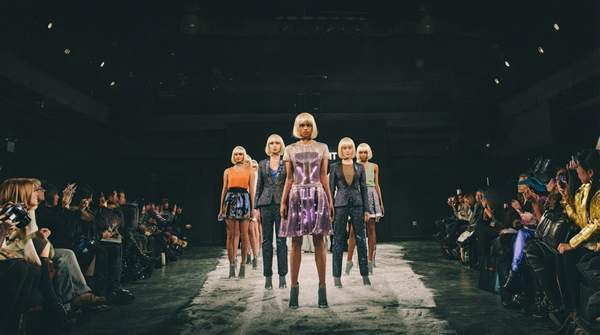
Where Smart Textiles Earn Their Place in Luxury: A Category-by-Category Decision Guide
Luxury fashion brands should prioritize aesthetic and interactive smart textiles, as they offer the clearest path to market due to their experiential appeal and alignment with luxury values. Performance and energy-harvesting categories require further development in durability, washability, and manufacturability before widespread luxury adoption.
Nov 13, 2026 · 7 min read
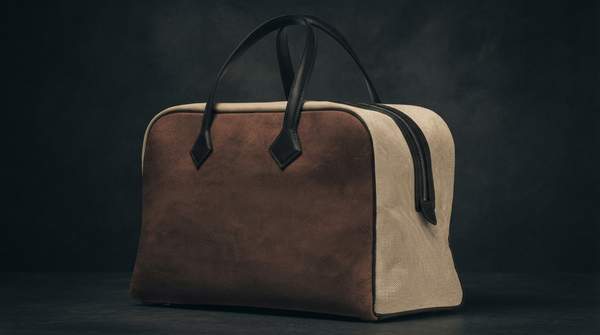
Mycelium Leather, Brewed Protein and Lab-Grown Alt-Leather: What Luxury Brands Are Actually Using
Luxury brands are exploring next-generation sustainable materials such as mycelium leather, biosynthetic silk, and lab-grown alt-leathers, evaluating them by source, environmental claims, performance, and demonstrated adoption.
Nov 12, 2026 · 4 min read

Beyond GOTS and OEKO-TEX: Which Advanced Textile Certification Fits Your Brand's Strategy?
Choosing advanced textile certifications like Cradle to Cradle, Bluesign, or NSF/ANSI 336 requires aligning the standard's focus with your brand's specific sustainability strategy, whether it's circularity, chemical management, or lifecycle assessment.
Nov 9, 2026 · 4 min read
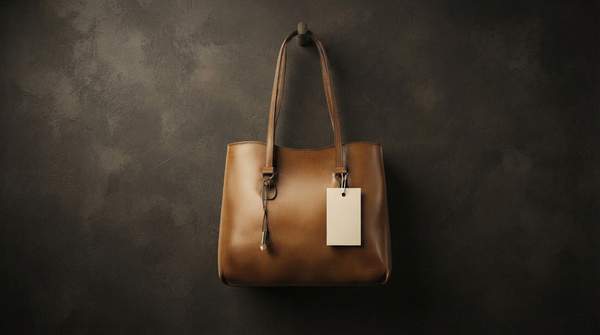
How Luxury Fashion Turns a Handbag Into a Verifiable Digital Record
Luxury brands are employing blockchain technology to create tamper-resistant digital identities, or "digital passports," for their products. This system tracks items from raw materials to resale, enabling consumers to verify authenticity and history via scannable markers linked to an immutable ledger.
Nov 9, 2026 · 4 min read
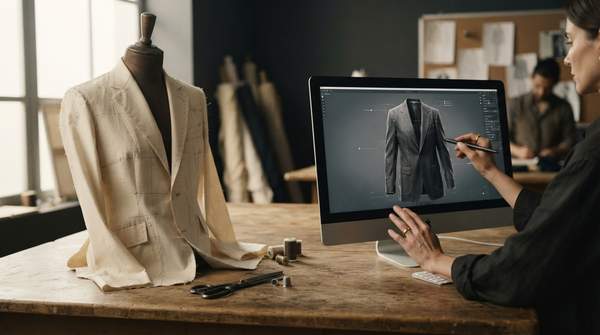
From Two-Week Toiles to Eight-Hour Digital Twins: How Luxury Prototyping Evolved
Fashion prototyping has dramatically evolved, compressing sample development time from weeks to hours and cutting waste by up to 80% through the adoption of digital twins. This shift allows for rapid iteration in virtual environments, reserving physical samples for final tactile validation.
Nov 8, 2026 · 5 min read
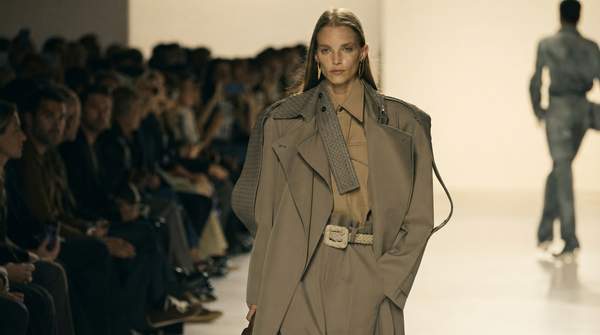
Luxury Fashion Is Becoming a Dressing System: How Technical Layering Became the New High-End Uniform
Luxury fashion is evolving beyond statement pieces to embrace a "dressing system" model, integrating performance gear principles like base, mid, and shell layers. This trend redefines high-end wear by emphasizing versatility, material science, and interoperable garments designed for everyday adaptability and advanced functionality.
Nov 6, 2026 · 5 min read
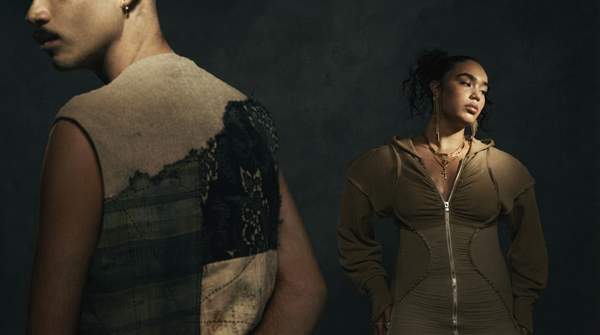
Four Ways to Upcycle Luxury Fashion: A Designer's Decision Framework
Luxury fashion brands can leverage four upcycling techniques—deconstruction, embellishment, dyeing, and material combination—to enhance exclusivity and sustainability. The choice of method depends on the desired creative outcome, available labor, and cost constraints, offering a strategic framework for informed decisions.
Nov 5, 2026 · 5 min read
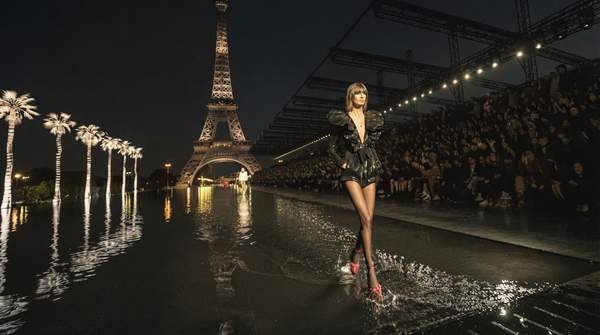
What Makes a Runway Show Historic? Three Shows, Three Answers
This article explores the defining characteristics of historic runway shows by analyzing three distinct examples: Vivienne Westwood's 'Pirates' (1981) for stylistic rebellion, Alexander McQueen's 'Plato's Atlantis' (2010) for landmark impact, and Coperni's S/S 2023 for technological spectacle. It proposes a framework for evaluating runway significance based on innovation and documented cultural influence.
Oct 31, 2026 · 4 min read
Wear It Kind, Good On You, or Leaping Bunny: Which Tool Actually Answers Your Animal-Welfare Question?
Choosing the right animal-welfare verification tool for fashion depends on your specific concern, as Leaping Bunny focuses on testing, FOUR PAWS' Wear It Kind addresses material sourcing, and Good On You offers a holistic ethical rating.
Oct 28, 2026 · 4 min read
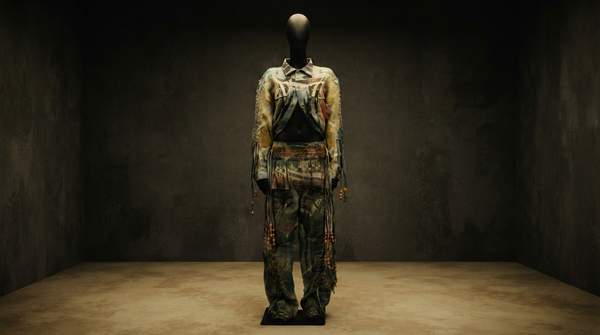
Three Pillars for Sustainable Fashion: A Working Framework for Design Teams
Achieving sustainable fashion requires a structured, three-pillar framework integrating brand positioning, design for circularity, and supply chain transparency. This connected system moves beyond isolated gestures to create a reliable path forward for design teams.
Oct 28, 2026 · 6 min read
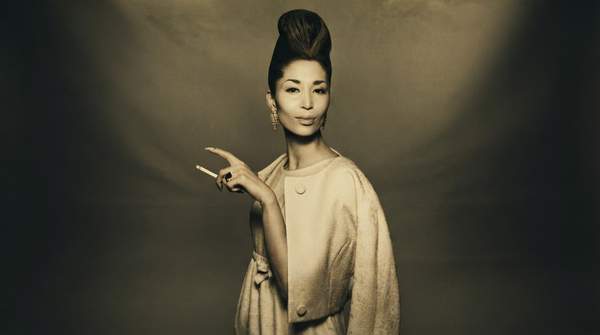
How Richard Avedon Invented Modern Fashion Photography
Richard Avedon revolutionized fashion photography by replacing static formulas with dynamic movement, narrative storytelling, and models as active collaborators. His work injected post-war American energy and a connection to reality, establishing the foundation for modern fashion imagery.
Oct 26, 2026 · 5 min read
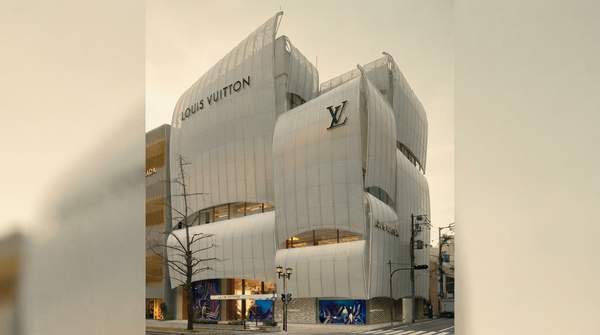
Three Ways Luxury Brands Are Deploying AI — and the Trade-Offs Behind Each
Luxury brands are adopting AI through three distinct strategies: 'quiet tech' for operational efficiency, AI-driven personalization for customer experience, and market intelligence for competitive positioning. The core challenge lies in leveraging AI's power without compromising the exclusivity and human artistry central to luxury.
Oct 21, 2026 · 5 min read

Quiet Tech or Bold Personalization: A Four-Part Readiness Test for Luxury Brands Adopting AI
Luxury brands must evaluate AI adoption not by whether to implement it, but where along the customer journey and how their organization can support it without eroding exclusivity. A disciplined four-part readiness test—strategic, operational, technical, and regulatory—is crucial for integrating AI while preserving brand heritage and customer trust.
Oct 21, 2026 · 5 min read

Mapping Fashion's Supply Chain Risks to Resilience: A Practical Framework for Volatile Times
Fashion supply chains face converging geopolitical, environmental, and regulatory risks. A practical framework maps these threats to specific resilience strategies, emphasizing technology for visibility and ethical sourcing.
Oct 20, 2026 · 5 min read
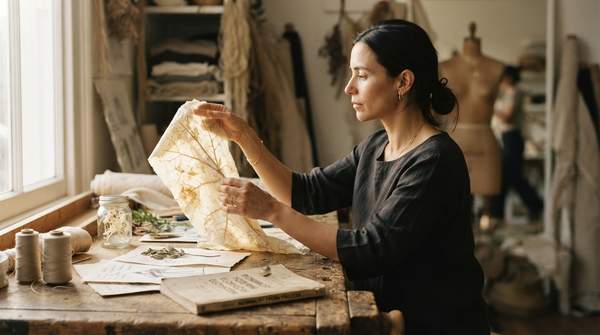
Form, Process, Ecosystem: How Biomimicry Reframes Sustainable Fashion Design
Biomimicry offers fashion a powerful framework for sustainability by learning from nature's designs, processes, and systems. This approach is best understood through three levels: emulating form, mimicking natural processes, and designing garments as living, circular ecosystems.
Oct 19, 2026 · 5 min read
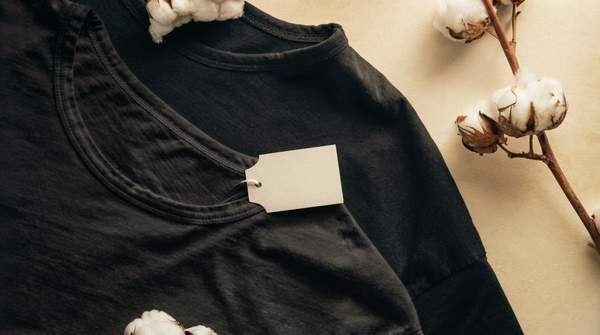
GOTS, OEKO-TEX or Bluesign? Matching the Right Textile Certification to Your Brand's Claim
Choosing the right textile certification like GOTS, OEKO-TEX, or Bluesign depends on your brand's specific claim, whether it's organic integrity, product safety, or sustainable production processes. Understanding the distinct scope of each standard is crucial for making a strategic and verifiable choice that aligns with your product category and marketing promises.
Oct 18, 2026 · 5 min read

Three Kinds of AI Now Reshape Luxury Fashion Prototyping — and Each Solves a Different Problem
Luxury fashion prototyping is being reshaped by three distinct AI categories: generative concept design, virtual material simulation, and AI-powered pattern analysis. Each addresses specific bottlenecks in ideation, material validation, or pre-production sampling, augmenting human creativity.
Oct 17, 2026 · 5 min read