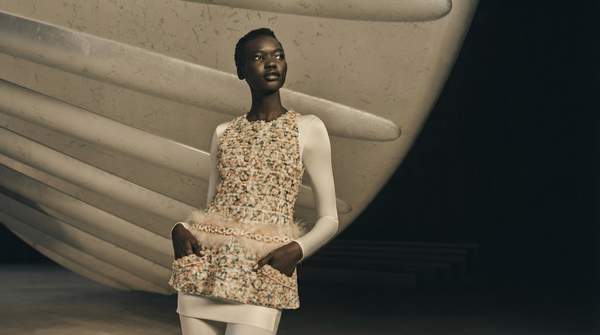
Artificial intelligence (AI) and machine learning (ML) algorithms are fundamentally reshaping fashion trend forecasting by enabling the analysis of vast, diverse datasets to predict emerging styles, materials, and colors. Fashion professionals can leverage these advanced technologies to gain quantitative insights into market dynamics and consumer behavior, thereby informing product development and strategic decisions. These AI tools are adept at detecting intricate patterns within extensive datasets, including runway show images, social media posts, search data, and online and in-store sales figures, allowing forecasters to identify emerging trends with greater accuracy and speed than traditional methods.
The Rise of AI in Fashion Trend Forecasting
The global fashion industry, valued at approximately $2 trillion, is increasingly integrating AI technologies to enhance its trend forecasting capabilities. Machine learning provides quantitative results that significantly augment traditional human-led approaches, helping brands mitigate the substantial financial consequences of misjudging trends, such as incorrect color palettes or hemline decisions. AI models are trained on extensive datasets, encompassing images from online stores and street photography, to improve the efficiency of data analysis and reduce associated costs, according to research published on arXiv.org. This data-driven methodology fosters a deeper understanding of consumer behavior and market dynamics, offering a comprehensive view of market trends and product performance, as noted by Heuritech, an AI development company.
Diverse Data Sources Fueling AI Insights
AI-driven fashion forecasting relies on a multitude of data sources to capture a holistic perspective of emerging trends. Social media platforms serve as a primary input, with AI systems translating real-world images shared online into meaningful insights for demand and trend forecasting, as described by Heuritech. Beyond visual content, textual data from social media posts, fashion articles, reviews, and comments are analyzed using Natural Language Processing (NLP) to identify emerging trends and popular brands or designers, according to Istituto Marangoni. Sales data, both online and in-store, also contributes to these datasets, providing crucial information on current market performance. Additionally, traditional sources like trade fairs, runway shows, and celebrity preferences are integrated to provide a rich, contextual layer for AI analysis.