Leading luxury houses are moving beyond traditional packaging, adopting innovative, bio-based materials to align their products with modern environmental values and evolving consumer expectations. As brands seek to balance signature aesthetics with sustainability, a new generation of packaging solutions has emerged, championed by industry leaders. An examination of materials adopted by LVMH, Stella McCartney, and Chanel reveals a strategic shift towards options derived from waste products and designed for a circular economy, offering a clear blueprint for others in the sector.
The Drive for Sustainable Luxury Packaging
The push for sustainable packaging in the luxury market is driven by both a profound shift in consumer values and a re-evaluation of brand strategy. According to a report from Lombard Odier, 42% of consumers across all age groups are attracted to brands that utilize recyclable and sustainable materials. This growing awareness means that traditional luxury packaging, often characterized by excessive plastics and non-recyclable components, no longer aligns with the values of many eco-conscious shoppers, as one packaging provider notes. Luxury brands are recognizing this imperative to adapt, increasingly using packaging as an opportunity to showcase a tangible commitment to sustainability.
This creates a central challenge: how to innovate for the planet without diminishing the exclusive design and premium feel that define a luxury experience. A Bain & Company report identifies the use of "innovative sustainable materials" as a key differentiating factor for executives. These materials are valued not just for their environmental credentials but also for being potentially lighter, stronger, and more adaptable to the complex designs that luxury demands. This strategic imperative has spurred the adoption of specific, cutting-edge materials by some of the world's most recognized brands, turning a potential conflict into a source of innovation.
Surlyn: Bio-based Innovation for Perfumes and Cosmetics
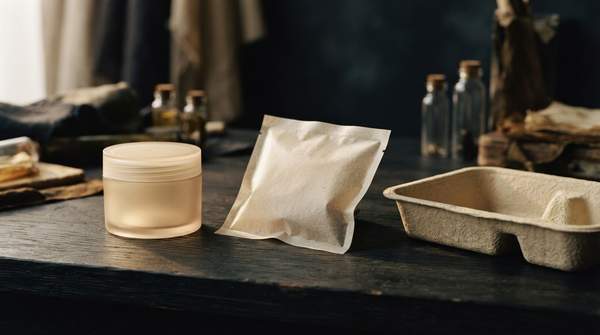
In the high-volume beauty sector, LVMH Beauty has announced a significant initiative to replace conventional plastic containers across its perfume and cosmetics ranges with a bio-based alternative named Surlyn. According to a report from Lombard Odier, this innovative material is produced from raw materials that include waste cooking oil. This approach is a powerful example of circular-economy principles in action, transforming a waste stream into a high-value material suitable for premium products. By moving away from virgin, fossil-fuel-based plastics, LVMH is addressing a major source of environmental impact in the cosmetics industry.
The adoption of this bio-based Surlyn by a conglomerate of LVMH's scale sends a clear signal to the market. It demonstrates that sustainable alternatives can meet the rigorous functional and aesthetic standards required for luxury goods, such as protecting delicate fragrances and conveying a sense of quality. This move validates the material's potential and sets a new benchmark for what is possible in sustainable luxury beauty packaging.