
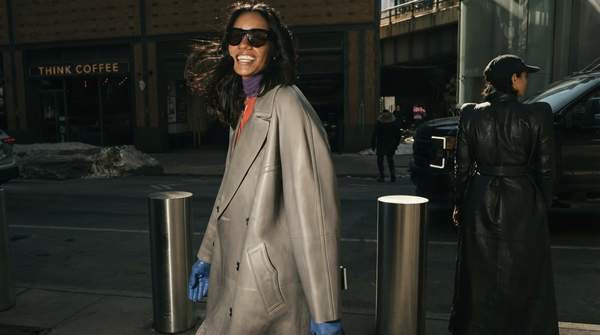
Street style photography has transformed from an early 20th-century practice of organically documenting real-world fashion into a sophisticated marketing tool and a primary driver of trends within the global fashion industry. This evolution, marked by technological advancements and shifting industry perspectives, has cemented its role as a powerful force that often rivals the influence of traditional runway shows.
Initially capturing candid moments of everyday style, street style photography has progressively become a curated phenomenon, strategically employed by brands and individuals alike to shape perceptions, generate sales, and identify emerging fashion directions. Its journey reflects broader changes in how fashion is consumed, disseminated, and commercialized.
The Documentary Roots of Street Style Photography
The origins of street style photography predate the modern fashion industry's current understanding of the genre, tracing back to the late 19th and early 20th centuries. During this period, the practice began to emerge as a way to spread fashion news through media, particularly in French periodicals like Les Modes and Femina. These publications supplemented stiff studio portraits with photographs of fashionable women at society events, such as garden parties and horseraces, offering a glimpse into how clothes were worn in real life.
Early figures like Edward Linley Sambourne are identified as pioneering street fashion photographers, capturing what has been described as "hidden street fashion." These early photographs, sometimes taken secretively without the subjects' knowledge, provided a more authentic narrative of how fashion was adopted and expressed by individuals, contrasting with the posed perfection of studio portraits. This organic documentation by artists, hobbyists, and professionals like Edmond Cordonnier or the Seéberger brothers laid the groundwork for capturing genuine personal style.
Shifting Lenses: From Studio to Street
The mid-20th century marked a significant shift in fashion photography, moving away from rigid studio settings towards more dynamic, naturalistic approaches. In the 1950s, major fashion magazines embraced a spontaneous, photojournalistic style, with models venturing onto city streets and urban skylines replacing traditional backdrops. This new dynamism aimed to infuse fashion imagery with movement, personality, and emotion.
Richard Avedon was a leading figure in this transition, known for his energetic style that depicted models laughing, dancing, and interacting naturally with their surroundings. His work, such as a 1957 photograph for American Harper's Bazaar showing a model striding mid-step in Paris, made clothing appear more wearable and alive. This evolution laid the groundwork for capturing fashion in everyday environments, fostering an appreciation for real-world representation that would become central to street style.
By the 1980s, new style publications emerged as a counterpoint to the airbrushed perfection prevalent in major glossy magazines. These publications featured naturalistic, documentary styles, often showcasing non-professional models and focusing on contemporary culture and emerging trends. Photographers like Steve Johnson captured punks and New Wave youth for i-D magazine, with images known as "straight ups" that showed the full figure. This approach, which celebrated everyday life and real people with their individual flaws, gained many imitators keen to capture personal and innovative street fashions, further solidifying the genre's appeal in the 1990s with exponents like Corinne Day and David Sims.
The Digital Revolution and the Rise of Street Style Stars
The early 2000s ushered in a new era for street style photography, largely propelled by digital technology and the advent of fashion blogs. Photographers like Tommy Ton gained significant prominence by capturing attendees at fashion weeks, transforming these events into prime showcases for personal style. This period saw street style begin to exert a direct influence on design, creating a "trickle-up" effect where trends observed on the street informed runway collections and designer choices.
For instance, the aesthetic popularized by Jenna Lyons at J.Crew in the 2010s, characterized by elements like the "French tuck" and mixed patterns, largely originated from street style. Brands recognized that street style offered a relatable formula for the masses, focusing on styling rather than exclusively on designer pieces. This marked a pivotal moment where street style transitioned from mere observation to a powerful force shaping marketing and merchandising strategies.
Street Style as a Curated Marketing Phenomenon
The mid-2010s saw street style evolve into a "cottage industry" driven by clicks and sales, with social media platforms like Instagram becoming primary tools for promotion. What began as organic documentation transformed into a highly curated and commercialized phenomenon. Individuals and brands alike leveraged street style imagery to market themselves, generating significant traffic for fashion websites and driving sales for fashion brands.
This commercialization, however, also led to a backlash, with some critics describing modern street style as "manufactured" or "fake." Despite this, the ability of street style to open doors and serve as a marketing channel remained undeniable. Instagram, in particular, democratized fashion, allowing editors and the broader fashion crowd to share style narratives instantly, shifting the power of storytelling into the hands of a wider audience.
Contemporary Influence: Trend Driver and Industry Powerhouse
Today, street style photography holds a significant position within the global fashion industry, with its imagery often rivaling the attention traditionally given to runway shows. Trends are now just as likely to "trickle up" from street style pictures, influencing designers, as they are to "trickle down" from the runway. This dynamic interplay underscores street style's role as a vital source for identifying and incorporating emerging trends into mainstream fashion.
The influence of social media platforms continues to shape the street style business, serving as essential tools for promotion and trend dissemination. Street style has fully transitioned from its documentary roots to become a powerful marketing tool and a key driver of fashion trends, demonstrating its complete integration into the industry's commercial and creative processes.
Street Style Photography: A Timeline of Influence
| Era/Decade | Key Development/Photographer | Impact on Fashion/Marketing |
|---|---|---|
| Early 20th Century (Pre-1920) | Edward Linley Sambourne is identified as an early street fashion photographer, documenting 'hidden street fashion'. | This represents an early form of organic documentation of real-world fashion. |
| Mid-20th Century (1950s-1960s) | Fashion photography began to shift towards more spontaneous, photojournalistic approaches, moving away from traditional studio settings. | This laid the groundwork for capturing fashion in natural, everyday environments. |
| Late 20th Century (1980s-1990s) | New style publications emerged, featuring naturalistic, documentary styles and non-models, counteracting the airbrushed perfection of major glossy magazines. | This period fostered a growing appreciation for real-world fashion representation and authenticity. |
| Early 2000s (Digital & Blogs) | Street style photography gained prominence with photographers like Tommy Ton capturing fashion week attendees, leading to a 'trickle up' effect on design. | This marked a significant shift where street style began to directly influence runway trends and designer choices. |
| Mid-2010s (Social Media Era) | Street style evolved into a 'cottage industry' for clicks and sales, with Instagram becoming a primary promotion tool for individuals and brands. | This solidified its role as a curated and commercialized marketing phenomenon. |
| Contemporary Role | Street style imagery now rivals runway attention, serving as a significant marketing tool and a source for designers to identify and incorporate trends. | This demonstrates a complete transition from organic documentation to a powerful industry driver and trend-setter. |
Navigating the Evolving Landscape of Street Style
Fashion professionals and marketers should continuously monitor street style photography for emerging trends and leverage it as a dynamic marketing channel, while being aware of its curated nature. The continued presence and evolution of street style content across major fashion publications and social media platforms, and its direct influence on runway collections, serve as measurable indicators of its enduring power.
Sources
- Street-Style Fashion Photography Before 1920 — ON PINS AND NEEDLES
- A Brief Oral History of Modern Street Style — Vogue
- 100 years of fashion photography — Victoria and Albert Museum
- He Photographed the Rise of Street Style. Here’s What It Taught Him About Fashion. — Harper's BAZAAR


