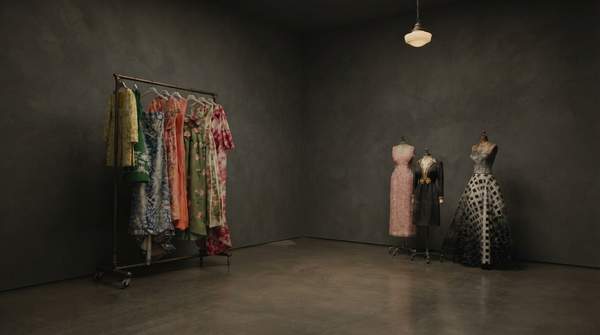
Luxury fashion's most valuable asset is no longer the atelier or the flagship store. It is the archive. Brands like Chanel, Dior, and Louis Vuitton have moved decisively past treating their historical collections as museum storage, deploying them instead as active business tools across three distinct strategic models: a creative foundation for new products, a source for brand experience and storytelling, and a blueprint for future strategy. Understanding this three-part framework is the key to seeing why heritage has become fashion's strategic language rather than its decoration.
The Strategic Imperative of Luxury Fashion Archives
Corporate archives play an essential role in building what scholars call brand heritage, according to academic research by Elisa Zanola, Charlotte Stachel, and Sara Greco on luxury fashion storytelling. These collections represent the brand's essence in two ways at once: they hold knowledge that inspires current design practice, and they contain assets for marketing and communication. The luxury sector itself is characterized, as the researchers note, by "long-established traditions, historical importance, cultural value, and uniqueness," and the archive is the physical embodiment of all four. Industry analysis of the "archival luxury" trend, published by Giada Graziano at Glam Observer, frames the shift bluntly: cultural and industry pressures are driving brands to look inward, making archives luxury's most valuable asset.
Strategic Archive Leverage Framework
The framework below organizes the documented uses of a fashion archive into three strategic functions, each paired with the value driver that justifies investment and the practical element that makes it work. Use it to identify which lever a brand is pulling—or which one it should be.
| Strategic function | What the archive does | Value driver activated | Practical requirement |
|---|---|---|---|
| Creative foundation (product) | Inspires new collections: silhouettes, patterns, embroidery techniques; maintains aesthetic continuity across creative directors | Differentiation through unique, unrepeatable design references | Digitally accessible archive so design teams can pull references instantly |
| Brand experience (storytelling) | Supplies authentic narratives, revived icons, and campaign assets across web, social, and in-store channels | Authenticity and emotional connection; narrative as powerful as product | Assets curated for cross-channel adaptation |
| Future blueprint (strategy) | Reinforces brand purpose during creative transitions; guides identity resets and long-term growth | Trust, loyalty, and consumer reassurance over time | Preserved physical pieces in climate-controlled storage, kept for posterity |
Each row is a distinct decision, not a package. A brand can mine the archive for design without ever staging an exhibition, or build a storytelling campaign around heritage pieces while neglecting preservation. The framework's value is in forcing that differentiation.