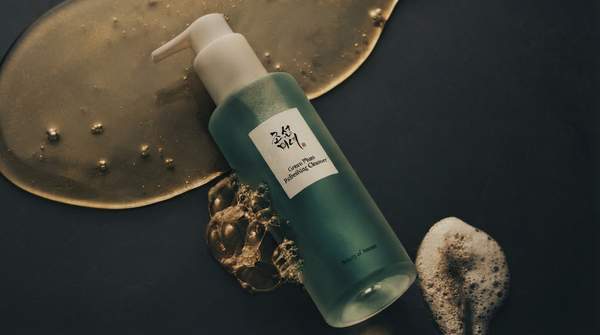
If you are rebuilding a luxury skincare routine this season, the K-Beauty trends that matter in 2026 fall into three distinct camps: barrier support, advanced bio-active ingredients like PDRN and EGF, and specialized collagen "wrapping" masks. The right choice depends on your primary concern—sensitivity and dehydration, visible aging and loss of elasticity, or an intensive occasional treatment. Here is how each trend works, what is actually in it, and how to sequence it into a sophisticated routine.
Understanding Emerging K-Beauty Trends for Luxury Skincare
The current K-Beauty story is less about shine for its own sake and more about skin that looks healthy from every angle. Reporting on fall 2026 trends notes that the season's philosophy is "glowing, healthy-looking skin, with ingredients and routines built around keeping the barrier strong." The data behind the shift is striking: Google searches for "bloom skin" reportedly rose 800% over the past year, and searches for "collagen mask for face" rose 50% in just three months, according to figures cited by Cosmetics Business in trend coverage.
Vogue's Kiana Murden, surveying 2026 trends with industry experts, captures the aesthetic driving the category: "The goal isn't shine for the sake of shine; it's skin that looks fresh, lively, and full of life from every angle." That reframing—glow as a byproduct of skin health rather than a surface effect—is what unites all three trends below.
Trend 1: Fortifying the Skin Barrier
Barrier support is the foundational trend, and the experts quoted in trend reporting are unanimous about prioritizing it. The approach leans on strengthening the skin barrier so hydration shows from within, rather than sitting on top of it. The signature ingredients are soothing, barrier-first actives: cica (centella asiatica), beta-glucan, and postbiotics.
The practical logic is straightforward. These ingredients help skin tolerate stronger actives, which matters if you plan to layer retinoids, acids, or the next trend's bio-actives on top. Industry watchers quoted in the fall 2026 trend coverage advise prioritizing barrier support and science-backed claims over viral products—a sensible filter for a luxury buyer facing an ever-expanding shelf. Search behavior backs the interest: soothing, barrier, and moisture terms in the makeup category rose more than 150% in 2025.
Trend 2: Advanced Actives for Targeted Renewal
The second trend is the arrival of clinically oriented bio-actives in consumer skincare: PDRN (polydeoxyribonucleotide), EGF (epidermal growth factor), and copper peptides. PDRN serums remain highly sought-after, though the same trend reporting cautions buyers to ask about sourcing and how the ingredient is delivered—legitimate questions when prices climb into luxury territory. One expert quoted in the coverage calls 2026 "the year of EGF," an ingredient linked to repair and elasticity.
The scientific basis for PDRN is more developed than for most trend ingredients. A 2025 review in the Journal of Skin and Stem Cell by Seyedeh Melika Akaberi and colleagues describes PDRN as supporting anti-aging effects, wound healing, scar reduction, and inhibition of melanin production. A narrative review by Gulhima Arora characterizes polynucleotides as DNA-derived agents with tissue-repair, anti-inflammatory, and immune-modulating properties, noting attention to their safety profile and biocompatibility.
Clinical results exist, though mostly in therapeutic rather than cosmetic contexts. One cited study found PDRN-treated patients achieved better results reducing hypertrophic scars, with vascularization scores of 0.476 versus 0.900 in the control group, alongside significant reductions in scar size and erythema. Animal-model research has confirmed anti-inflammatory effects and effects on collagen synthesis. The caveat: much of this evidence comes from injectable or clinical use, so results from a topical serum depend heavily on formulation and delivery.