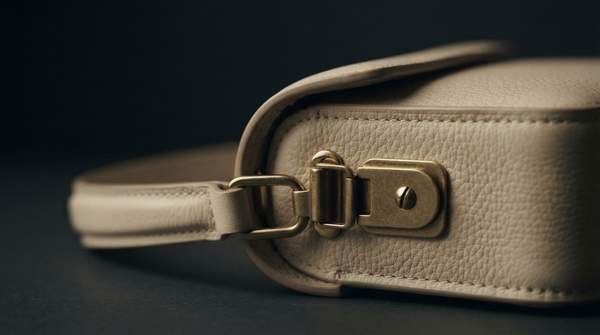
For a distinctive handbag clasp, buckle, or emblem, the practical choice in the United States usually comes down to two tools: a design patent, which protects a new ornamental appearance, or trade dress, which protects a non-functional design that consumers have come to associate with a single brand. The deciding variables are novelty, timing, and whether the hardware already functions as a source identifier. A new and original clasp design favors a design patent, filed quickly; a familiar design that has acquired consumer recognition favors trade dress, which has no expiration.
Introduction to Protecting Fashion Hardware in the US
US law protects only elements of a fashion design, not the design as a whole. As the intellectual property practice Duane Morris explains, three theories are available to protect fashion designs in the United States: trade dress, copyright, and design patents, each with its own requirements, benefits, and challenges. For ornamental hardware specifically, the two workhorses are design patents and trade dress. Trade dress sits within trademark law, governed primarily by the Lanham Act, which protects symbols and designs used by producers to identify their products as long as they serve as source identifiers. This article focuses on those two mechanisms and on US law only; it is not legal advice.
Design Patents: Protecting Ornamental Appearance
A design patent covers the ornamental appearance of an article of manufacture, which for fashion hardware means the visual form of a clasp, buckle, or emblem rather than how it works. Federal patent law allows a designer to obtain a design patent for products featuring new and original ornamental designs, as legal commentary aimed at fashion brands notes. The critical limitation is that the patent does not protect the functional aspects of the hardware: a mechanism that grips a strap is not protected because it grips, only because of how it looks. The term is fixed and non-renewable: 15 years from the date of grant for applications filed on or after May 13, 2015.
Trade Dress: Protecting Brand Identity
Trade dress protects the overall commercial impression of a product's design, including its hardware, when that impression identifies the product's source to consumers. To prevail in an infringement action, a designer must establish three elements, according to the American Bar Association's intellectual property section: distinctiveness, nonfunctionality, and a likelihood of consumer confusion between the owner's and the infringer's dress. For product designs, distinctiveness is typically acquired rather than inherent, meaning the design must develop secondary meaning. The Federal Circuit applies a six-factor test for that determination: purchaser association (often via surveys), length and exclusivity of use, advertising, sales volume and customer numbers, intentional copying, and unsolicited media coverage.